


 Whether it’s fighting for equal rights, challenging the status quo, striving to make the world a better place, or all of those things combined, documentaries at this year’s fest continue to shine a spotlight on people making a difference. Here are five such films that I checked out!
 The Last Ambassador (6/8)
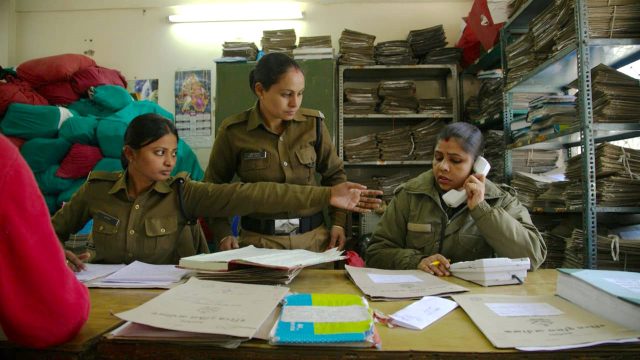
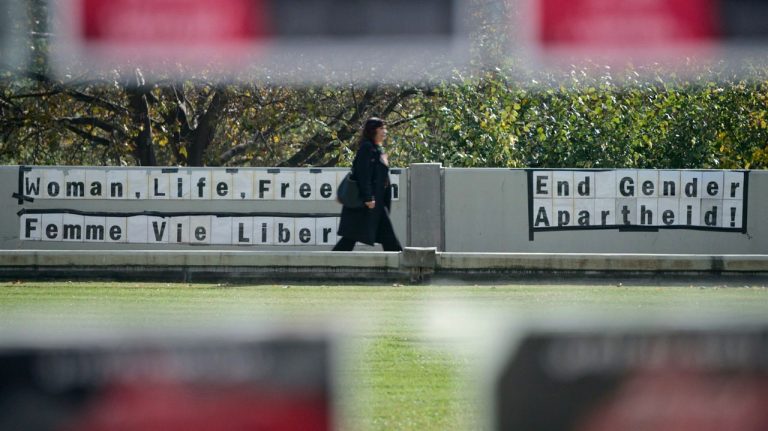
Every year, the stories about the horrors facing women under Taliban rule in Afghanistan get more and more harrowing. Thankfully, the number of documentaries about women in that country and abroad fighting that same oppression continue to grow in direct proportion to the regime’s ongoing suppression. In this effective profile, director Natalie Halla introduces Manizha Bakhtari, whose role as the Afghan ambassador to Austria was turfed once the Taliban took charge. Brave, determined and defiant, Bakhtari opts to ignore her own ousting and keep right on working, setting up her own de-facto consulate in Vienna to help Afghan ex-pats. More importantly, she sets out to raise awareness on the world stage about the gender-apartheid atrocities befalling women in her home country — risking her life in the process. Through interviews with Bakhtari and her husband, Halla paints a compelling portrait of courage in the face of virulent, violent hatred, and resilience amid what feels like global apathy towards the suppression and erasure of Afghan women.
 Life After (6/8)
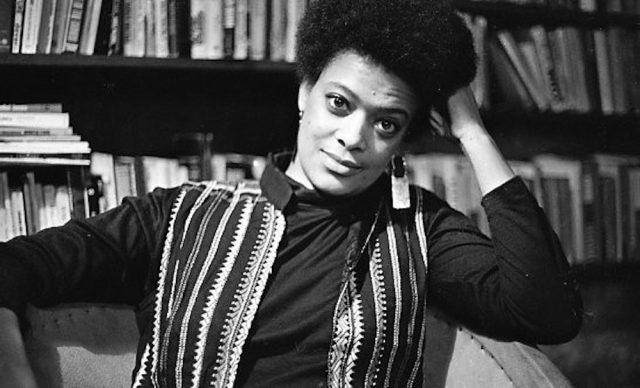
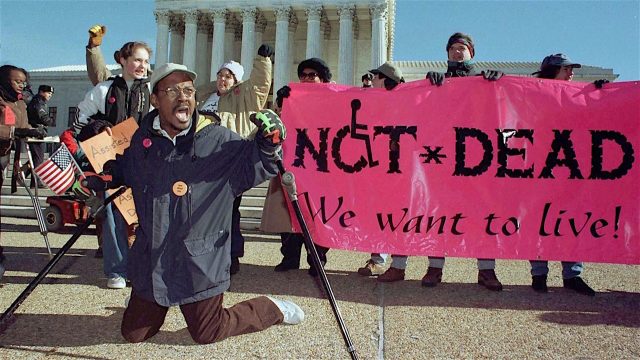
I wasn’t really a fan of director Reid Davenport’s previous Hot Docs entry, 2022’s I Didn’t See You There, so it was with some degree of hesitation that I sat down for his latest. I’m happy to report that his sophomore feature doc demonstrates how much he’s grown as a filmmaker. Centering on the issue of assisted suicide for the disabled — and anchored in Davenport’s quest to find out what happened to Elizabeth Bouvia, who famously fought for the right to die in the 1980s but who seemingly vanished after losing her court case — the film explores the arguments for and against making extreme physical hardship a justifiable reason to legally end one’s life. Is expanding access actually discriminating against the disabled? Is it compassionate, or an “easy out” for society so that better programs and support systems for the disabled don’t have to be created? And who should decide the degree of a disabled individual’s autonomy? Although there are a few narrative detours, Davenport’s film is a complex look at a complicated issue, and one that will no doubt spark plenty of debate and conversation from people on both sides of the issue.
 Parade: Queer Acts of Love & Resistance (6/8)
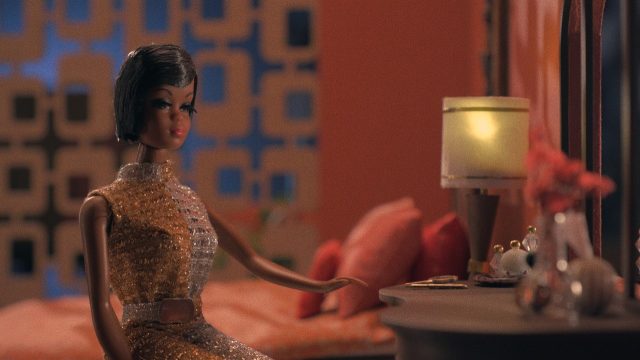
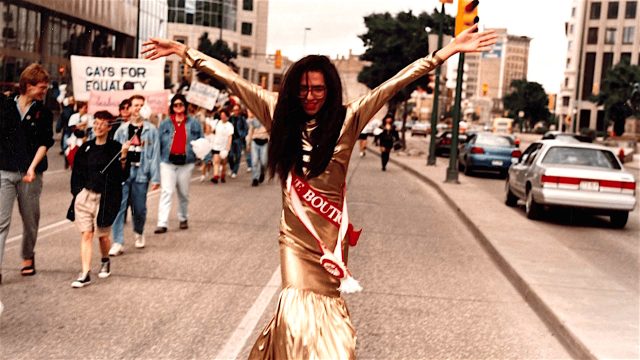
Sometimes, documentary filmmakers score an embarrassment of archival-footage riches, and that’s definitely the case with this retrospective film from director Noam Gonick. It’s arguably a good problem to have but, as is the case here, it can make organizing all those clips and creating a cohesive narrative structure a little more challenging. Gonick’s doc chronicles the history of LGBTQ activism in Canada, and the origins and evolution of the annual Pride parade over the years. Packed to the rafters with archival material from the 1950s onward, the film features firsthand accounts from Canadian entertainers, historians, writers and activists, who recall the discrimination, violence, and abuse they endured based solely on their sexuality, as well as the heartbreak and devastation of the AIDS crisis. But the film also reveals the courage, determination and perseverance that resulted from profound hardship, creating deep connections and communities. While much of the film feels a bit Toronto-centric, it’s a timely and moving look back at the trailblazers and pioneers of the gay-rights movement in Canada, and an alarm bell about where we could be heading again given the political and societal climate in Canada and around the world.
 River of Grass (6/8)
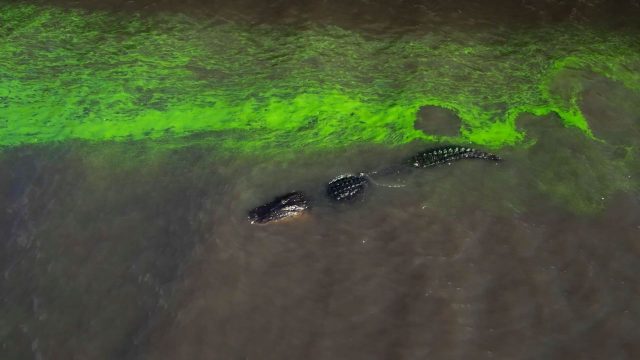
Inspired by iconic environmentalist Marjory Stoneman Douglas and her book of the same name, this love letter to the Florida Everglades from director Sasha Wortzel takes audiences on an appropriately winding and meandering journey to examine the region’s past and introduce the people fighting to protect it in the present. Literally and figuratively exploring the historical, environmental and cultural significance of the Everglades as the central nervous system of the state’s ecology, the doc also reveals the assorted threats facing the flora and fauna of this vast and vital series of interconnected waterways, from climate change and hurricane-aftermath devastation to industrial agriculture and factory farming. Given the current U.S. administration and its sweeping cuts to environmental protection, Wortzel’s comprehensively heartfelt film feels more timely and urgent than it might have even just a couple of years ago. Hopefully, it doesn’t wind up becoming a snapshot of a rare and wholly unique ecosystem (it’s the only one of its kind on the entire planet!) that was lost to future generations.
 Shamed (7/8)
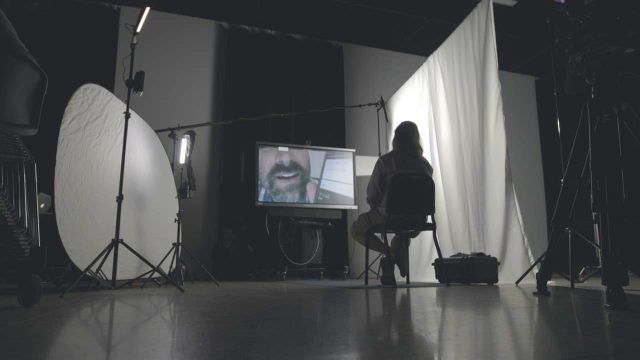
There’s no denying that we live in the era of “gotcha!” internet fame — wherein everyday individuals capture other people breaking the law, or just breaking with social convention, and then post the footage online as a form of click-bait-y entertainment, finger-wagging or outright condemnation. But this documentary from director Matt Gallagher reveals the dark side of internet vigilantism and using public shaming as a weapon. Profiling Jason Nassr, the one-time host and creator of creeperhuntertv.com, the film explores Nassr’s “work,” exposing men he believed were pedophiles by posing as a teenaged girl online, luring them into a “gotcha!” meetup, and then publishing his ambush videos on his website. (Think: NBC’s To Catch a Predator.) But after several subjects of his videos commit suicide, Nassr goes from self-proclaimed crime fighter to criminal, charged with harassment, extortion, and creating child pornography in written form. Through interrogation footage, interviews with some of Nassr’s victims’ friends and family members, as well as insights from a retired FBI agent close to the case and audio of Nassr’s trial, this fascinating and surprisingly gripping film reveals the sinister nature of Nassr’s efforts, and how a would-be predator hunter was, in reality, himself preying on others.
Check out more of our Hot Docs 2025 coverage here!