


April 8, 2025–It’s refreshing to see more films about complex women, whether the difficult choices they make are selfless or for self-preservation.
Check out these and other movies streaming at the Seattle Jewish Film Festival until April 13th.
Blind at Heart (Die Mittagsfrau)
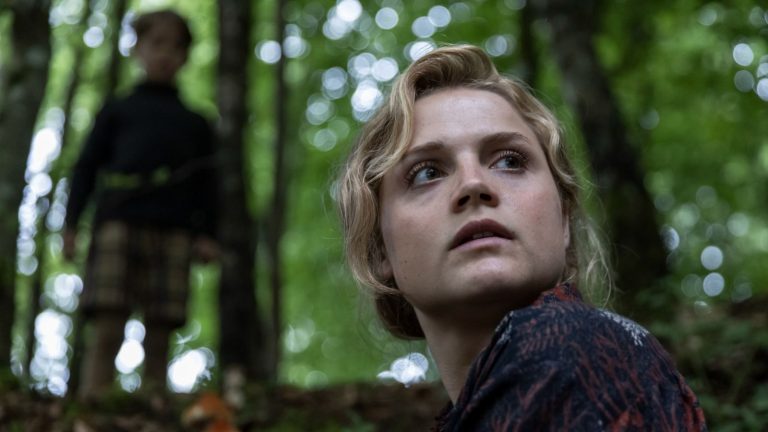
Based on Julia Franck’s best selling novel (winner of the German Book Prize), the story catapults through a couple of decades in the life of a young half-Jewish woman named Helene (the magnetic Mala Emde). In Weimar-era Germany, she and her sister leave their troubled home, landing in the arms of their wild, freewheeling aunt in Berlin. Parties, drugs, and opportunities abound, as Helene has her eye on medical school and marriage to a sweet Jewish poet named Karl. But with the first murmurs of Brown Shirts assaulting Jewish people on the street, a dark pall falls over her once-bright world and Helene is faced with some unthinkable choices. The decisions and sacrifices that she makes in the name of self-preservation are often troubling, but it is so hard to judge her. Focusing mainly on Helene’s often claustrophobic daily life, this intimate character study makes the interesting narrative choice of keeping the war itself mostly off-camera. The film ultimately feels like a rich novel, the journey of a true survivor who happens to be a smart and resilient yet imperfect woman.
 Carla the Rescuer (2025)
Carla the Rescuer
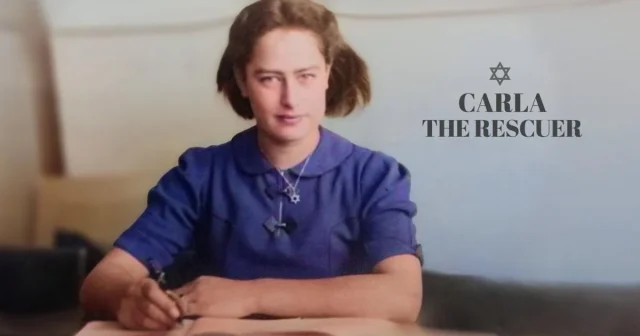
Taking darkness into light, Carla the Rescuer is an inspiring documentary of a local hero, one Carla Peperzak. Now 101 years old, Carla is a Dutch immigrant who came to the U.S. after World War II. She married, had kids, grandkids, and great-grandkids, and eventually settled in Spokane, Washington. But Carla never told her story until she was in her 80s. It turns out that when she lived in Amsterdam during the war as a teenager, she helped hide 40 people and forged 100 IDs. This was a young Jewish woman whose own ID card didn’t have a Jewish mark on it because her mother was Catholic (something she used to her advantage). Eventually she converted to Catholicism for safety, but her proximity to danger was ever-present—for context, the Frank family lived around the corner (Anne’s older sister Margot was on a rowing team with Carla). As interesting as the first half of the film is (which recounts her resistance efforts during the war), the second half is truly inspiring. Carla Peperzak has made it her passion in the last couple decades to talk to everyone who will listen, especially students of all ages about “what happens when hatred goes unchecked.” She stresses the importance of tolerance and closes with the invitation to all to “be a rescuer.” She’s a true inspiration!