


 Hot Docs is now over, the awards have been handed out, and my coverage is winding to a close. My final tally of documentaries watched is 48 — not as many as in previous years when I’d average closer to 60, but the festival lineup itself also shrank by about 30%. And, really, 48 is still a pretty respectable number of films for one person to screen and review, IMO. Not all of them were great, though — some I didn’t like, others I didn’t even finish (DNF). Here are the final five, with which I didn’t really connect for one reason or another.
 Always (DNF)
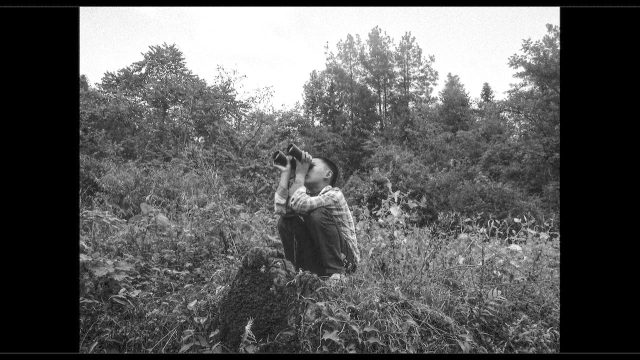
One of my litmus tests for documentaries is always: would I know what this film is about within the first 15 minutes if I hadn’t first read the synopsis? For me, the answer should be “yes.” Unfortunately, as much as I really wanted to love this profile of a boy who writes poetry to frame his life in rural China, the answer here was “no,” as any uninformed viewer would have no clue what was going on — or even who the doc’s central figure is — until well into its 84-minute running time. Consisting entirely of verrrrry slow, very uneventful verité vignettes depicting farm life, it’s a documentary I found too slow and too unclear for my liking, so I bailed at the halfway mark.
 The Longer You Bleed (DNF)
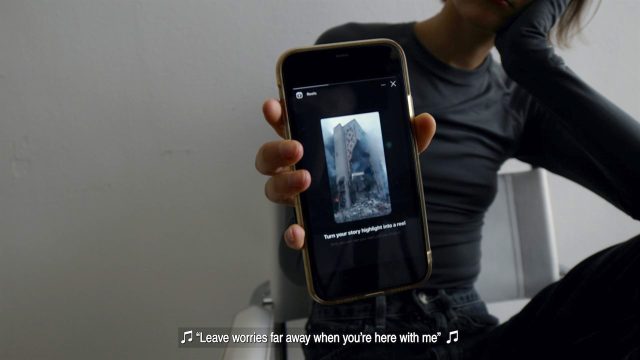
In some ways, the central thesis of this documentary — the effects of repeated social-media exposure to videos and images of the horrors of the war in Ukraine — is precisely the reason I turned it off barely 20 minutes of the way in. Amid interviews with Ukranian millennials about how they feel about what they’re fed on their feeds, the film features extremely graphic video clips and images (disembodied limbs, dead children, you get the idea) that I didn’t need to see, and that I didn’t want burned into my brain.
 Marriage Cops (2/8)
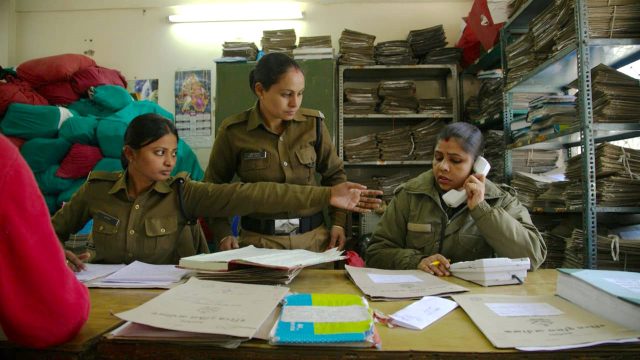
Director Shashwati Talukdar’s film is about the Women’s Helpline, a police division in India that, based on this documentary, does exactly the opposite of what its name would imply. Chronicling the department’s work, the doc features a revolving door of unhappily married couples coming before the (women) inspectors, whose goal is to “protect the sanctity of marriage” by finding a way for the couples to work out their differences and stay together. Yet it’s blindingly clear to anyone watching the non-stop yelling (OMG, SO MUCH YELLING IN THIS FILM) that none of these couple should actually be together — in more than one case, the wife actually complains of physical abuse, and the advice given is not only stupid, it’s dangerous: the inspectors basically ask the husbands not to do that anymore, and then send the couples on their way. WTF? At no point does the film demonstrate that this division actually helps women; instead, it seems to reveal that, instead, it helps perpetuate a cycle of abuse. Devoid of any insight or interviews into why these women officers work in the department (save for one, who hates it and wants out but who never explains the reasons), how they think they’re protecting the (sometimes battered) clients who come through their doors, or what exactly constitutes “success” in their eyes, it was, for me, a very disappointing film about a really questionable resource.
 Siksikokowan: The Blackfoot Man (DNF)
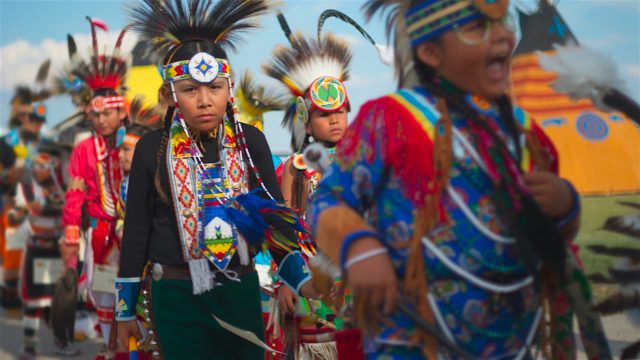
Maybe because I’m neither a man nor a member of a First Nations community, I found it difficult to connect with this documentary and to understand what exactly I was supposed to be gleaning from it. For me, it was another film that didn’t pass the “what is this about?” test by the 15-minute mark. Per the synopsis, the film is meant to be an exploration of masculinity, and what it means for the boys and men of the Siksika First Nation, but it felt vague and muddled. Questions appear onscreen, but the vignettes that follow don’t seem to answer them. Its narrative and thesis felt inaccessible to me as a viewer; it felt like less of a study of the spectrum of masculinity and more like a series of well-shot but disconnected “what guys do around here” (rodeos, hockey games, branding cattle, etc.) clips. I gave it to the halfway mark, and then turned it off.
 They’re Here (2/8)
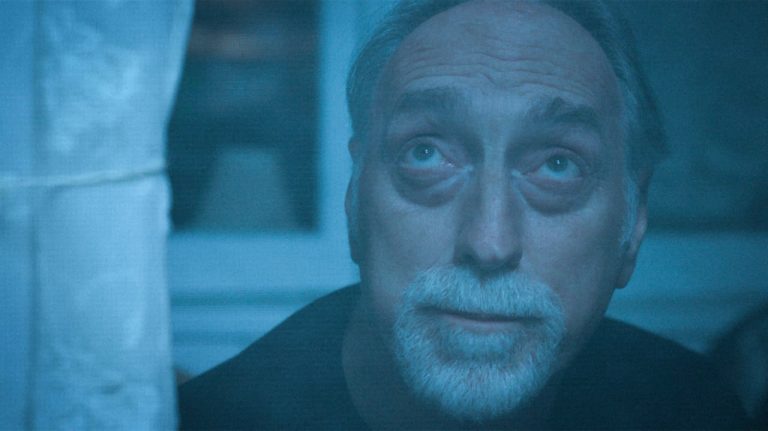
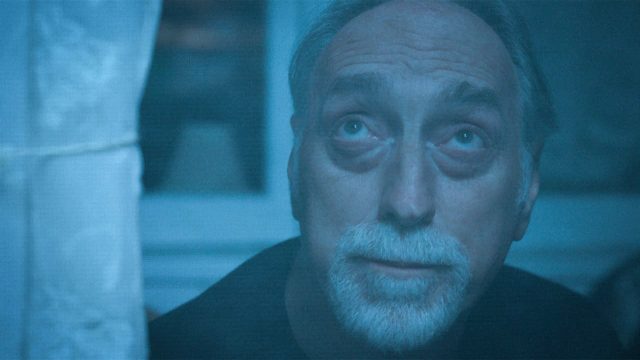
This “documentary” was, in a word, a clunker. Filled with staged scenes and bad acting, it profiles Cookie, Steve, Dave and Twon, a quartet of eccentric New York state residents who claim to have seen UFOs and/or been abducted by aliens. Featuring interviews with the four — who, again, feel like they’re actors performing for the camera — about their experiences, the doc has no real direction or point, and tries hard to create a “quirky” vibe. But it’s an entirely superficial exercise, with no real depth or insight, and one arc in particular (looking at you, Twon) that feels completely manufactured. Worst of all, for a topic with this much potential, the film is, IMO, also woefully boring.
And that’s a wrap on my Hot Docs 2025! See you in 2026!
Check out more of our Hot Docs 2025 coverage here!